Basketball League Name Ideas: Creative Names for Every Type of League
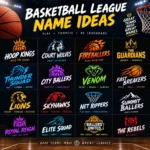
A basketball league name identifies the competition as a whole, not just one team. Good basketball league name ideas can sound professional, local, funny, youthful, competitive, or modern depending on who plays and how the league is organized.
Current search results for this topic are dominated by large collections of suggested names, usually divided into categories such as professional, funny, community, youth, competitive, modern, and short names. They also commonly recommend checking whether a name is already being used.
What many of those lists do less thoroughly is explain an important distinction: a league name and a team name serve different purposes. A league needs an identity that can remain useful across many teams, seasons, divisions, and venues. That makes naming structure just as important as having a clever basketball reference.
What Does “Basketball League Name Ideas” Mean?
The phrase “basketball league name ideas” is straightforward English rather than slang, an acronym, or an abbreviation. It refers to suggestions for naming an organized basketball competition.
For example, a league could be called:
- Metro Hoops League
- United Court League
- Rising Stars Basketball League
- Full Court Championship
- Community Hoops Series
- Capital Basketball Circuit
- Next Generation Hoops League
- Hardwood Challenge League
- City Rim League
- Elite Court Association
The word league matters here. “Court Kings” might work as a team name, but “Court Kings League” changes it into the name of the competition itself.
There is no special linguistic origin behind the search phrase. It simply combines the sport basketball, the organizational term league, and name ideas, meaning possible names.
Basketball League Name Ideas
Here is a broad starting collection, with different naming styles rather than one long list of similar-sounding options.
Professional-Sounding Basketball League Names
These work when the competition needs a formal identity for schedules, trophies, websites, uniforms, or sponsors.
- Premier Hoops League
- United Basketball Circuit
- National Court League
- Elite Basketball Association
- Championship Hoops Series
- Prime Court League
- Victory Basketball Conference
- Pinnacle Hoops League
- Pro Court Championship
- Grand Basketball Series
- United Court Association
- Elite Rim League
- Prestige Basketball League
- National Hoops Circuit
- Summit Basketball Association
Cool Basketball League Names
A shorter, energetic style can suit recreational leagues, local competitions, and younger audiences.
- Skyline Hoops
- Blacktop League
- Gravity Hoops
- Rim Rush League
- Court Pulse
- Next Court League
- Velocity Hoops
- Apex Basketball
- Urban Rim League
- Beyond the Arc
- Elevate Hoops
- Court Storm
- Hoop District
- Fastbreak Nation
- Rising Rim League
Community Basketball League Names
For neighborhood, city, workplace, church, or recreational competitions, a community-focused name can make the purpose immediately clear.
- Hometown Hoops League
- Community Court League
- United Neighborhood Hoops
- City Hoops Association
- Local Legends Basketball League
- Open Court League
- Community Champions League
- Hometown Basketball Series
- United Hoops Community
- Weekend Court League
- City Rim Challenge
- Neighborhood Basketball Cup
- Together Hoops League
- Local Court Championship
- Home Court Basketball League
Youth Basketball League Names
Youth competitions often benefit from names that emphasize development, participation, and future potential rather than sounding excessively corporate.
- Future Stars Basketball League
- Rising Hoops League
- Junior Champions League
- Next Generation Basketball
- Young Hoopers League
- Future Court Stars
- Rising Rim League
- Junior Hoops Championship
- Future Five League
- Young Champions Basketball
- Next Level Juniors
- Bright Stars Hoops
- Rookie Basketball League
- Future Dunkers League
- Youth Court Challenge
Funny Basketball League Names
Humor can work particularly well for casual adult leagues, workplace competitions, or friend groups.
- Air Ball Association
- Brick by Brick League
- Foul Line Fools
- Weekend Warriors Hoops
- The Traveling League
- Hoop Happens
- Benchwarmer Basketball League
- No Look League
- Overtime Survivors
- Full Court Nonsense
- The Bricklayers League
- Almost All-Stars
- Free Throw Fanatics
- The Rebound Society
- Questionable Calls League
Competitive Basketball League Names
If teams will compete seriously, words connected with championship, elite competition, performance, or intensity can establish that tone.
- Championship Court League
- Elite Hoops Circuit
- Titan Basketball League
- Victory Court Championship
- Premier Competition League
- Iron Rim League
- High Performance Hoops
- Power Court Series
- Elite Five Championship
- Supreme Hoops League
- Competitive Court Association
- Champion Basketball Circuit
- Peak Hoops League
- Court Masters Championship
- Ultimate Basketball Series
Short Basketball League Names
Short names can be particularly useful when the league needs a compact logo, social-media handle, scoreboard label, or merchandise design.
- HoopZone
- RimRush
- CourtX
- HoopCore
- BallRise
- CourtPro
- SlamHub
- HoopNation
- RimQuest
- CourtEdge
- HoopRise
- BallCircuit
- FastCourt
- HoopPulse
- RimLeague
League Name vs. Team Name: Why the Difference Matters
One of the easiest naming mistakes is treating a league name like a team name.
A team name belongs to one participating group. A league name represents the entire competition.
For example:
| League | Teams inside it |
|---|---|
| Metro Hoops League | Tigers, Falcons, Rockets, Warriors |
| Community Court League | Northside Five, Downtown Ballers, East Court |
| Future Stars League | Lions, Eagles, Panthers, Hawks |
“Downtown Ballers” makes sense as one team’s identity. “Downtown Basketball League” makes more sense as the umbrella organization.
This distinction is useful because a league name should not become awkward when several different teams play under it.
How to Build a Basketball League Name
Instead of combining random basketball words, start with the league’s actual identity.
1. Start With the Location
A location gives people immediate context.
Formula:
Location + Basketball/Hoops/League
Examples:
- Multan Hoops League
- Riverside Basketball League
- Downtown Court League
- Capital Hoops Circuit
- Lakeside Basketball Series
A local name can also make it easier for players to recognize what competition they are joining.
2. Use Basketball Language
Terms such as hoops, court, rim, hardwood, fastbreak, arc, rebound, and full court immediately signal the sport.
For example:
- Hardwood League
- Full Court Series
- Beyond the Arc League
- Rebound Championship
- Fastbreak Circuit
The important point is not to overload the name. “International Elite Premier Championship Basketball Hoops Association” may sound impressive, but it is difficult to remember.
3. Match the Competition Level
A children’s development league and an elite adult competition do not necessarily need the same naming style.
A youth league might use:
Future Stars League
An adult recreational league might use:
Weekend Hoops League
A serious competition might use:
Premier Basketball Circuit
The name should give prospective players a reasonable idea of the league’s character before they read the rules.
4. Think Beyond One Season
A useful test is to imagine the name on a trophy five years from now.
If the league is intended to continue, avoid names tied too closely to one temporary joke, trend, sponsor, or player unless that connection is deliberate.
Current naming guides similarly emphasize simplicity, memorability, audience fit, and checking existing organizations before committing to a name. (TeamNamerly)
What Makes a Basketball League Name Memorable?
A memorable name normally has a clear structure. It may use a recognizable place, a strong basketball term, a distinctive concept, or a combination of those elements.
Compare:
United Basketball League
with:
Moonlight Rebound Circuit
The first is immediately understandable but generic. The second has more personality but may require additional explanation.
Neither structure is automatically right. The choice depends on whether the league prioritizes immediate clarity, distinctive branding, or a mixture of both.
A useful middle ground is something like Moonlight Hoops League: the basketball purpose remains obvious while the name has a more recognizable identity.
Common Naming Mistakes
Making the name too long
Long names become difficult to place on logos, social profiles, uniforms, schedules, and trophies.
Copying an existing league
A name can sound original in your area while already being used elsewhere. Search engines, social platforms, sports organizations, and local directories should be checked before launch.
Using a team name as the league name
If the competition has multiple teams, avoid a name that sounds as though the entire league belongs to one club.
Making the joke too specific
A joke based on one player, event, or temporary reference may stop making sense later.
Choosing “official-sounding” words without checking them
Words such as “National,” “International,” “Association,” or “Professional” can create expectations about the organization’s scope. Use them because they accurately describe the league, not merely because they sound impressive.
A Simple Naming Formula
If you are creating a name from scratch, try this three-part method:
Identity + Basketball Term + Organization Type
For example:
- Skyline + Hoops + League
- Riverside + Court + Championship
- Future + Stars + Basketball League
- Metro + Rim + Circuit
- United + Hoops + Association
You can also remove the obvious basketball word when the concept already communicates the sport:
- Skyline League
- Metro Circuit
- Future Stars Championship
The second approach can create a cleaner brand, but it sacrifices some immediate clarity.
FAQ
What is a good name for a basketball league?
A good name should be easy to say, remember, spell, and use consistently. It should also fit the league’s audience and level of competition. Names such as Metro Hoops League, Future Stars League, and Premier Court League use simple structures that communicate their purpose clearly.
Should a basketball league name include the city?
It can, especially when the league is intended to serve a particular community. A city or neighborhood name immediately provides geographic context and can distinguish a local competition from similarly named leagues. It is less necessary if the league intends to operate across multiple locations.
Should I use “basketball” or “hoops” in the name?
“Basketball” is more direct and formal, while “hoops” is shorter and more casual. Neither is inherently better. Use the word that matches the identity you want the competition to present.
How many words should a basketball league name have?
There is no universal required length. In practice, a compact two-to-four-word structure is often easier to use across logos, schedules, social profiles, and promotional materials. A longer official name can still work if it has a shorter public-facing version.
Can I use a funny name for an adult basketball league?
Yes. Humor can be appropriate for recreational, workplace, and friend-group competitions. However, if sponsors, schools, municipalities, or formal organizations are involved, check that the joke is appropriate for those audiences before adopting it.
How can I make my basketball league name unique?
Start with a specific identity instead of combining the same generic words used by hundreds of other sports organizations. Then search the exact name and close variations online and across relevant social platforms. Also check local sports organizations before printing uniforms, trophies, or promotional material.
Is a basketball league name different from a fantasy basketball league name?
Usually, yes. A real basketball league organizes actual teams and games, while a fantasy basketball league is a competition in which participants manage fantasy rosters based on real players’ performances. Some naming ideas can work for both, but the audiences and purposes are different.
Should a basketball league name sound professional?
Only if that fits the competition. A professional-sounding name can make sense for a structured organization, while a casual community league may benefit from a friendlier identity. The most useful name is one that accurately represents what players will experience.
The Real Insight Behind a Strong League Name
The strongest basketball league names do more than mention basketball. They create a shared label for everyone participating in the competition. That is why “Metro Hoops League” works differently from “Metro Hoopers,” and why a youth league may benefit from a developmental identity rather than a name designed to sound intimidating.
A league name will appear repeatedly: on fixtures, standings, announcements, trophies, social posts, team registrations, and conversations between players. Because of that repetition, clarity and distinctiveness often matter more than trying to make every word sound dramatic.
Final Tips for Choosing Your Name
Before making the final decision, put your shortlist through five tests:
- Can people pronounce it easily?
- Does it clearly represent the competition?
- Will it still make sense next season?
- Does it work on a logo, jersey, schedule, and trophy?
- Have you checked whether the name is already being used?
If the answer to all five is yes, the name is much more practical than one chosen simply because it sounds exciting.
For a professional league, consider names such as Premier Hoops League or United Basketball Circuit. For a community competition, Hometown Hoops League or Open Court League may fit better. For youth basketball, Future Stars League provides a clear developmental feel. And for a casual adult competition, something like Air Ball Association can establish a deliberately humorous identity.
The goal is not to find the longest list of names. It is to find a name that players can recognize, remember, and proudly use throughout the life of the league.
The article above reflects the current search landscape: existing pages heavily emphasize large categorized name lists, while the more useful distinction is league identity vs. team identity, plus how the name should function across seasons, branding, and different competition types.